
Rooibos Tea Benefits: What Actually Makes It Different
Rooibos, or redbush, is the tea people move to when they want something that tastes like tea in the evening but does not keep them awake.
That is a much better reason to drink it than most of what you will read online, and it happens to be a fact rather than a claim.
What rooibos actually is
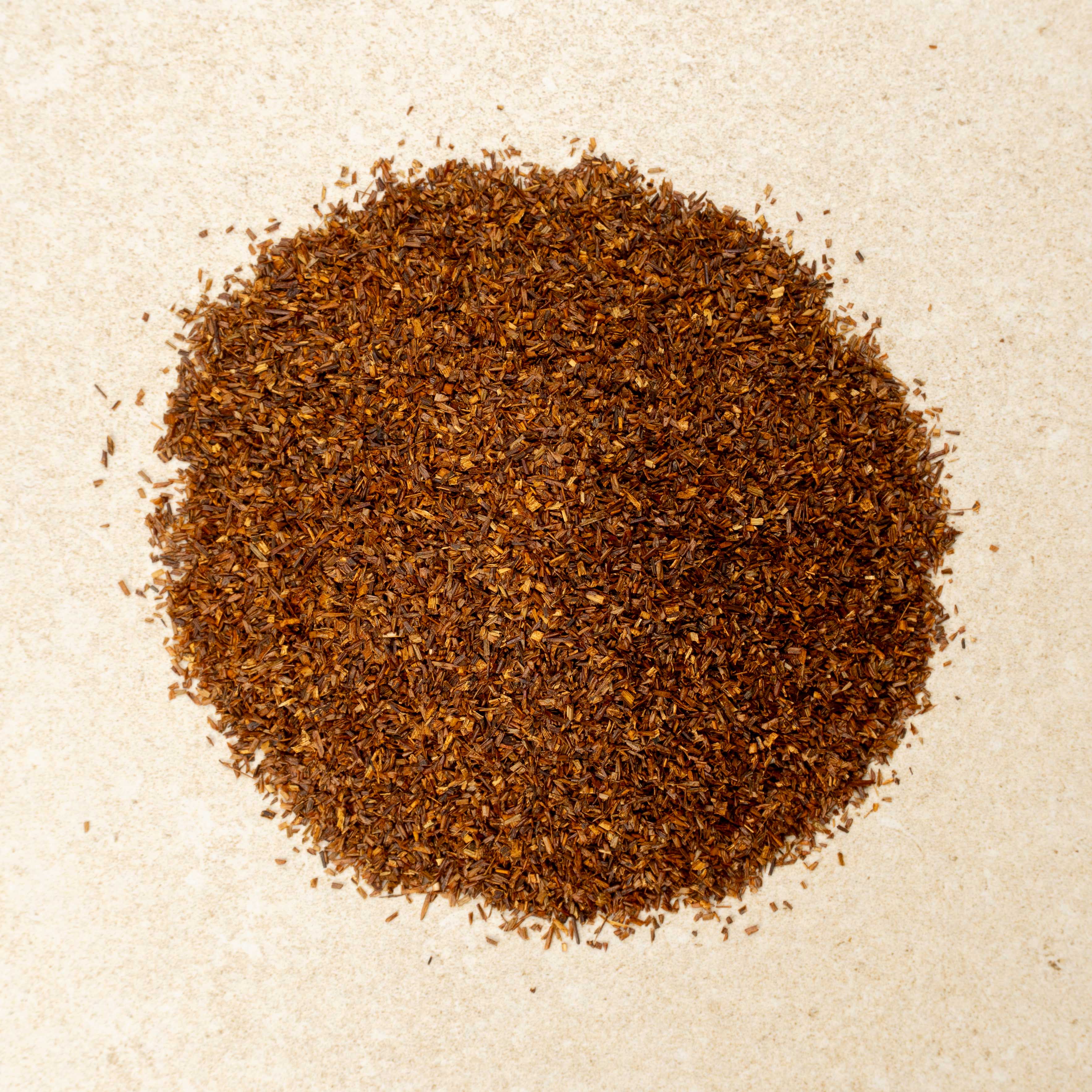
Rooibos comes from Aspalathus linearis, a shrub that grows in the Cederberg mountains of the Western Cape and essentially nowhere else on earth. Attempts to cultivate it elsewhere have largely failed. It is not related to the tea plant.
What is in a cup:
- Aspalathin and nothofagin: two antioxidants found almost nowhere else in the human diet. Rooibos is effectively the only dietary source of aspalathin.
- Quercetin and luteolin: flavonoids also found in onions, apples and parsley.
- Caffeine: none at all, naturally.
- Tannins: present, but at roughly a tenth the level of a cup of black tea.
What the research shows, honestly
Most rooibos research is laboratory or animal work. Aspalathin has shown interesting effects on blood sugar and inflammation in animal models, which is why you see confident headlines.
Human evidence is much thinner. A handful of small studies have found modest changes in blood lipids, with total cholesterol and LDL down a few percent, in adults drinking around six cups a day for six weeks. Six cups a day for six weeks is a serious commitment, and a few percent is a small effect measured in a small group.
One genuinely useful detail: green rooibos, which is unfermented, retains more aspalathin than the familiar red kind, because oxidation during fermentation converts some of it. The red is what most people mean by rooibos and what most of us prefer to drink.
What we are not allowed to say
As with every tea and infusion we sell, we can only make health claims that appear on the GB Nutrition and Health Claims Register. No claim for rooibos appears there.
So the antioxidant language you will see everywhere is not something we can turn into a promise about your health. We can tell you what is in the leaf. We cannot tell you what it will do to you.
What it does not contain is the real story
This is where rooibos genuinely stands apart, and none of it requires a health claim.
No caffeine, naturally. Not decaffeinated, which is a process applied to tea that was caffeinated to begin with. Rooibos never had any. That matters if you are sensitive to caffeine or drinking late.
Very low tannin. Tannins are what make over-brewed black tea turn harsh and drying. Rooibos has roughly a tenth as much, which is why you cannot really over-brew it. Leave it twenty minutes and it will not turn bitter.
Naturally sweet. It carries a soft, malty sweetness without any sugar, which is why it works for people trying to cut back on sweet drinks.
Put those together and you get a drink that is hard to get wrong, will not keep you up, and takes milk perfectly well if you want it to. For a lot of people that is a genuinely useful thing to have in the cupboard, and it needs no claims attached.
How to brew it
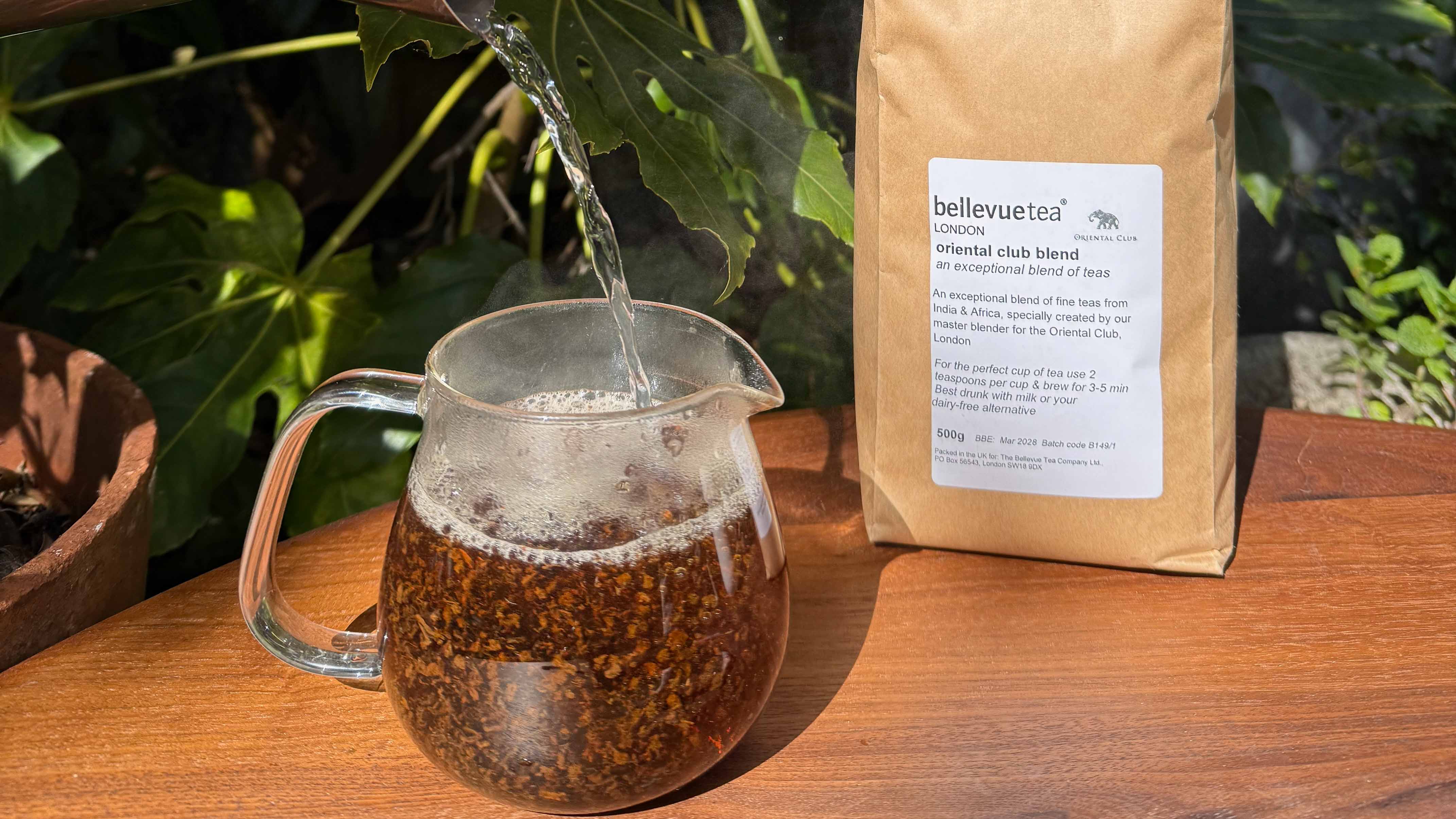
Freshly boiled water, five minutes or considerably longer. Rooibos is forgiving in a way almost nothing else is, so a forgotten pot is still a good pot.
It takes milk well, which surprises people. Try it both ways.
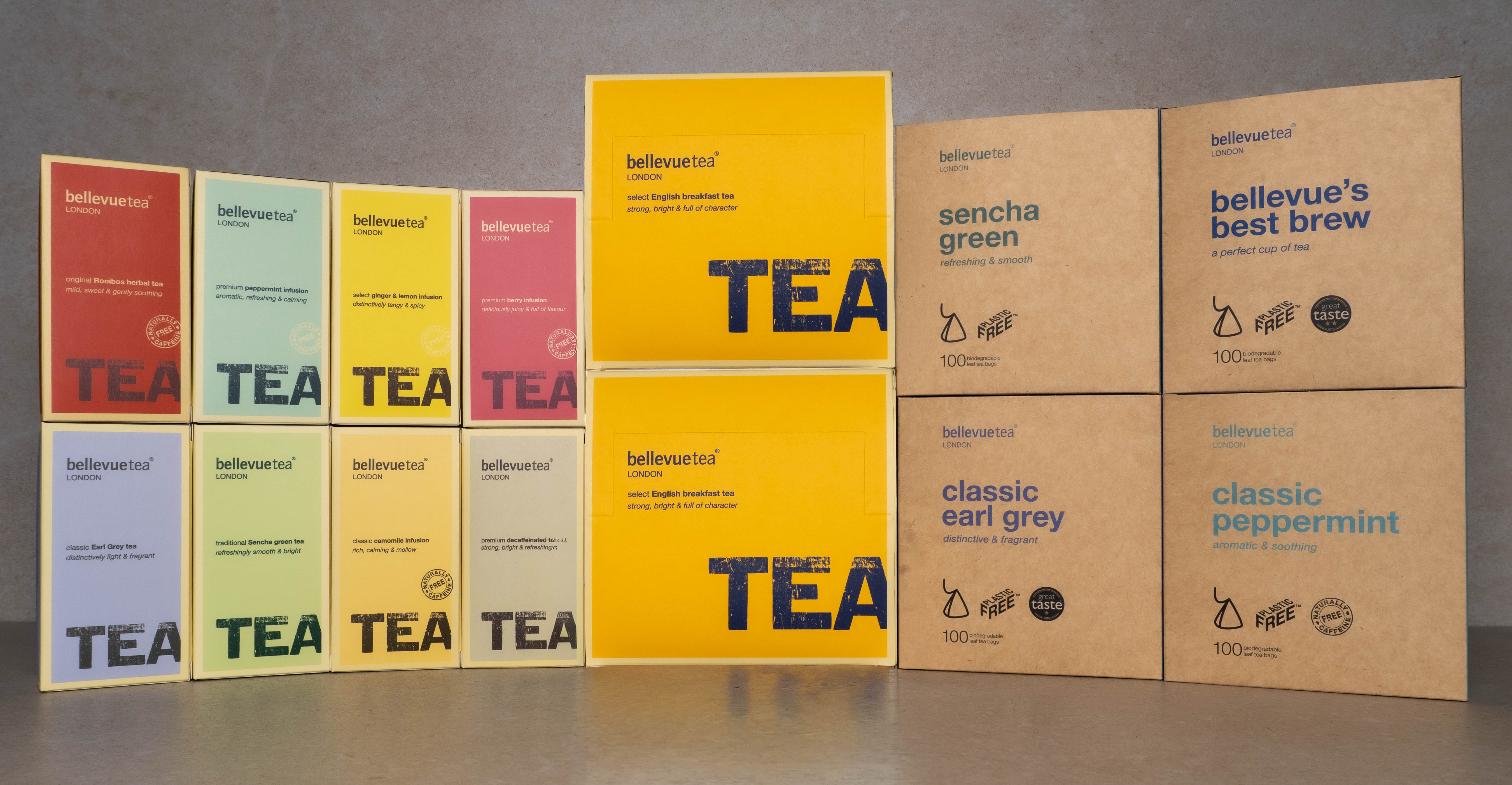
Ours is South African, available as plastic free string and tag tea bags and as loose leaf.
Keep brewing, The Bellevue Team



Leave a comment
This site is protected by hCaptcha and the hCaptcha Privacy Policy and Terms of Service apply.