

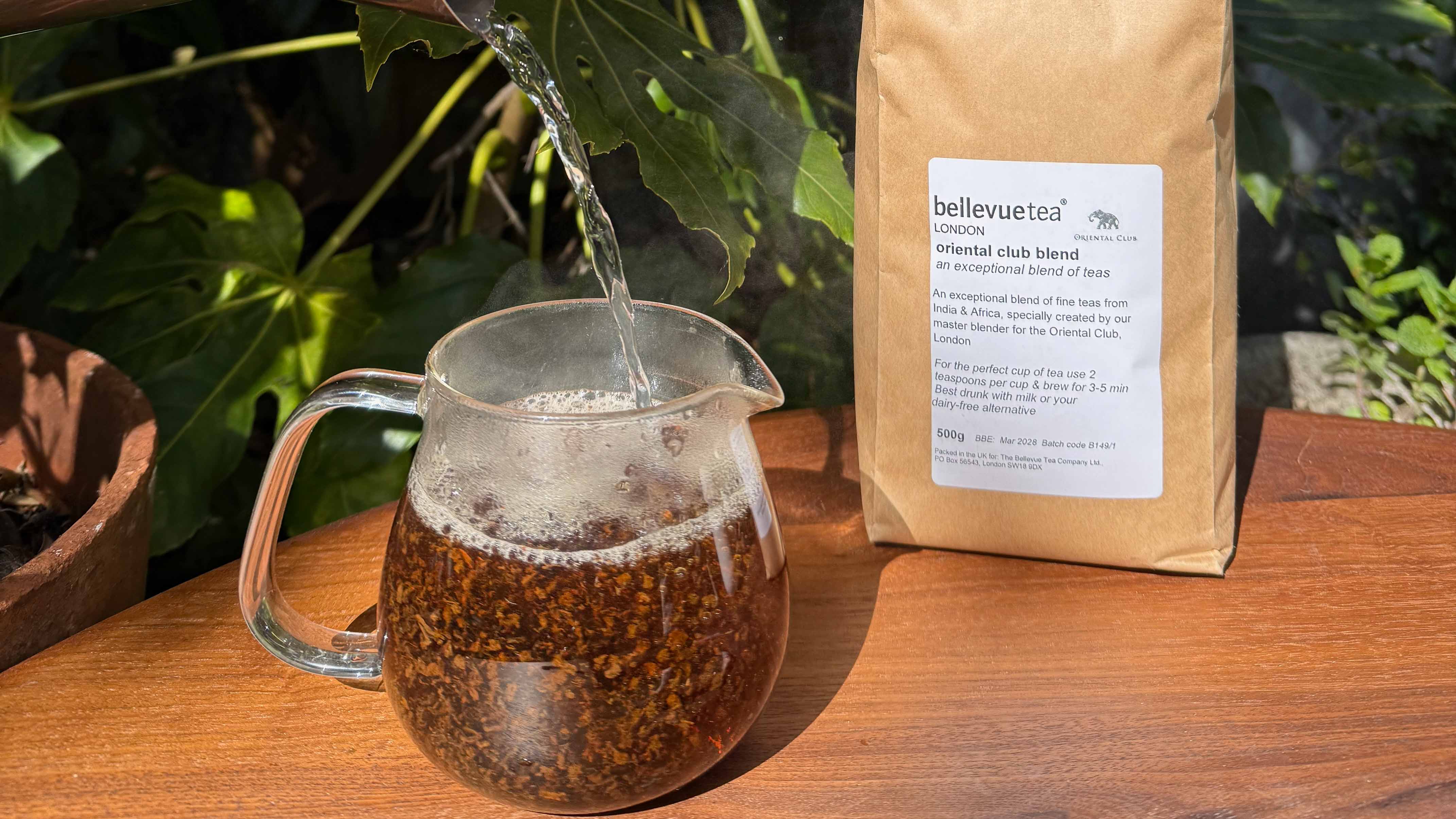
How to brew it properly: a guide to every tea in our range
There are only three things that decide whether a cup of tea is any good: the leaf you start with, the temperature of the water, and how long you leave it. Get those right and the rest is detail. Get them wrong and it does not matter how good the tea was to begin with.
We get asked about this constantly, so here is the whole lot in one place.
Start with the water
Use fresh water, and only boil what you need. We are not going to pretend there is dramatic science at work, but a kettle that has been boiled and reboiled three times gives you a flatter cup, and starting again costs you nothing.
Water matters more than most people expect. Hard water flattens a delicate tea. Soft water can make a standard blend taste thin. It is the entire reason our scottish blend exists, built around flavoury Kenyan tea from the Kangaita factory to stand up properly in Scottish water. If your usual tea tastes odd at your mum's house, this is normally why.
Strong black teas
Our bellevue belter and bellevue's best brew.
Freshly boiled water, straight on. One rounded teaspoon per person, and one for the pot if you are using one. Three to four minutes for a normal cup, five if you like it strong. Stir once, then get the leaves out or pour off, because tea left sitting on its leaves turns bitter rather than stronger.
Milk in after, not before, so you can see the colour you are working with.
Lighter and scented black teas
Our classic earl grey, lapsang souchong and darjeeling.
Same boiling water, less time. Two and a half to three minutes. Bergamot turns bitter and slightly soapy if you push it, and a darjeeling loses its lift. If you take earl grey with milk, give it a shade longer. If you take it black, keep it short.
Green teas
Our nilgiri green, classic gunpowder and jasmine yin hao.
This is where nearly everyone goes wrong, and it is always the same mistake: boiling water. Green leaves are far more delicate than black ones, and boiling water scalds them. That harsh, slightly spinachy taste people blame on green tea is usually just a brewing fault. Boil the kettle, let it stand three or four minutes to come down to around 80°C, then give it two to three minutes.
The reward is that green tea will give you a second cup. Top the same leaves up and brew again, slightly longer. It is often the better of the two.
Caffeine free infusions
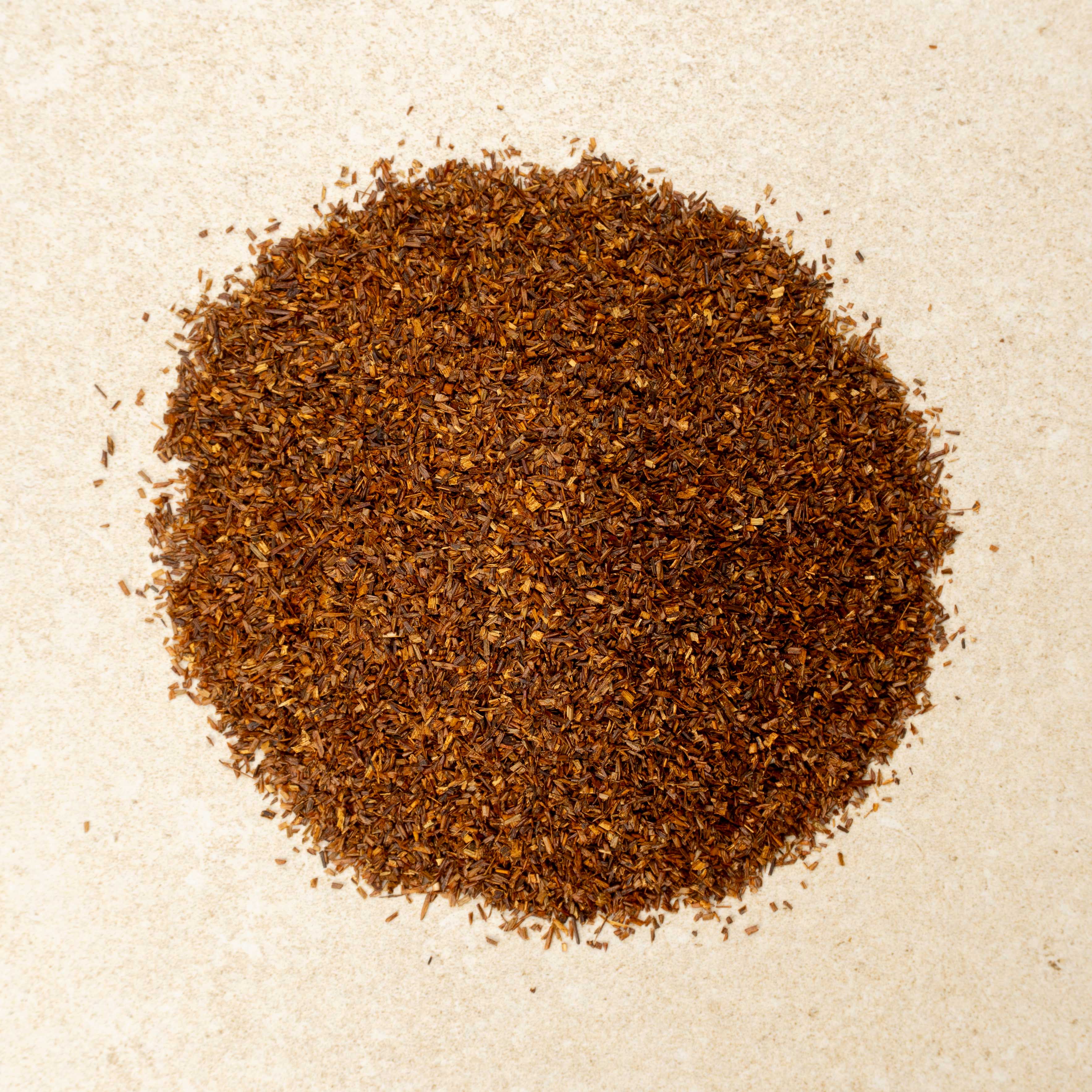
Our classic camomile, classic peppermint, ginger & lemongrass and rooibos.
The opposite problem. Infusions want fully boiling water and plenty of time, five minutes and upwards, and they are very hard to over-brew. If your camomile tastes like faintly floral warm water, you almost certainly took it out too early. Put something over the cup while it steeps if you can, which keeps the aromatics in rather than letting them drift off across the kitchen.
A word on tea bags
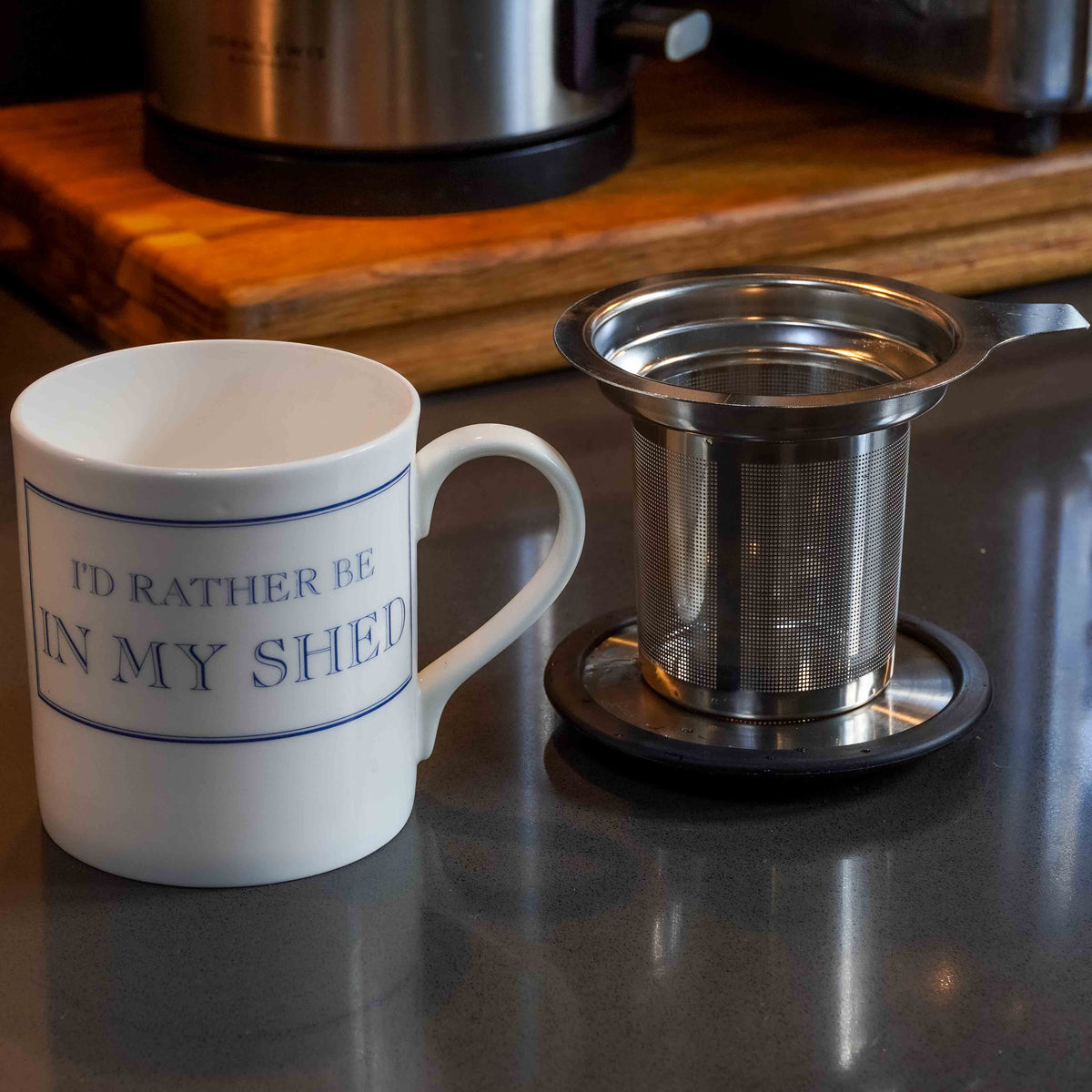
Our leaf tea bags hold proper large leaf rather than dust, so treat them like leaf tea. Give them the same time, and let the bag sit still instead of jiggling it about. Squeezing the bag against the side of the mug pushes out bitterness, not strength. If you want it stronger, use two bags.
The short version
| Tea | Water | Time |
|---|---|---|
| Strong black (belter, best brew) | Freshly boiled | 3 to 5 minutes |
| Earl grey, lapsang, darjeeling | Freshly boiled | 2.5 to 3 minutes |
| Green (nilgiri, gunpowder, jasmine) | Around 80°C | 2 to 3 minutes |
| Infusions (camomile, peppermint, ginger & lemongrass, rooibos) | Freshly boiled | 5 minutes or more |
| Chai | Freshly boiled, or simmered in milk | 4 to 5 minutes |
Matcha is a different business altogether, since you whisk it rather than steep it. We wrote that one up separately.
None of this needs to be fussy
You do not need a thermometer and a timer on the worktop. Make a tea two or three times paying attention, and after that you will know what it wants without measuring anything. That is really the whole point of a guide like this: to be read once and then forgotten about.
Happy brewing,
The Bellevue family



Leave a comment
This site is protected by hCaptcha and the hCaptcha Privacy Policy and Terms of Service apply.