
Peppermint Tea Benefits: What the Evidence Actually Shows
Peppermint tea is the one people reach for after a heavy meal, and the internet will tell you it does everything from settling your stomach to clearing your sinuses. Some of that has real research behind it. Most of it is about something that is not tea.
Here is the honest version.
What is actually in peppermint tea
Peppermint is not tea at all. It is an infusion made from the leaves of Mentha piperita, a hybrid of watermint and spearmint, with no connection to the tea plant. That single fact explains most of what follows.
- Menthol: the main active compound, and the reason peppermint tastes cold. It is a natural muscle relaxant, which is where most of the research interest comes from.
- Menthone and other volatile oils: present in much smaller amounts, contributing to the aroma.
- Caffeine: none. Not decaffeinated, simply never there, because it is not made from the tea plant.
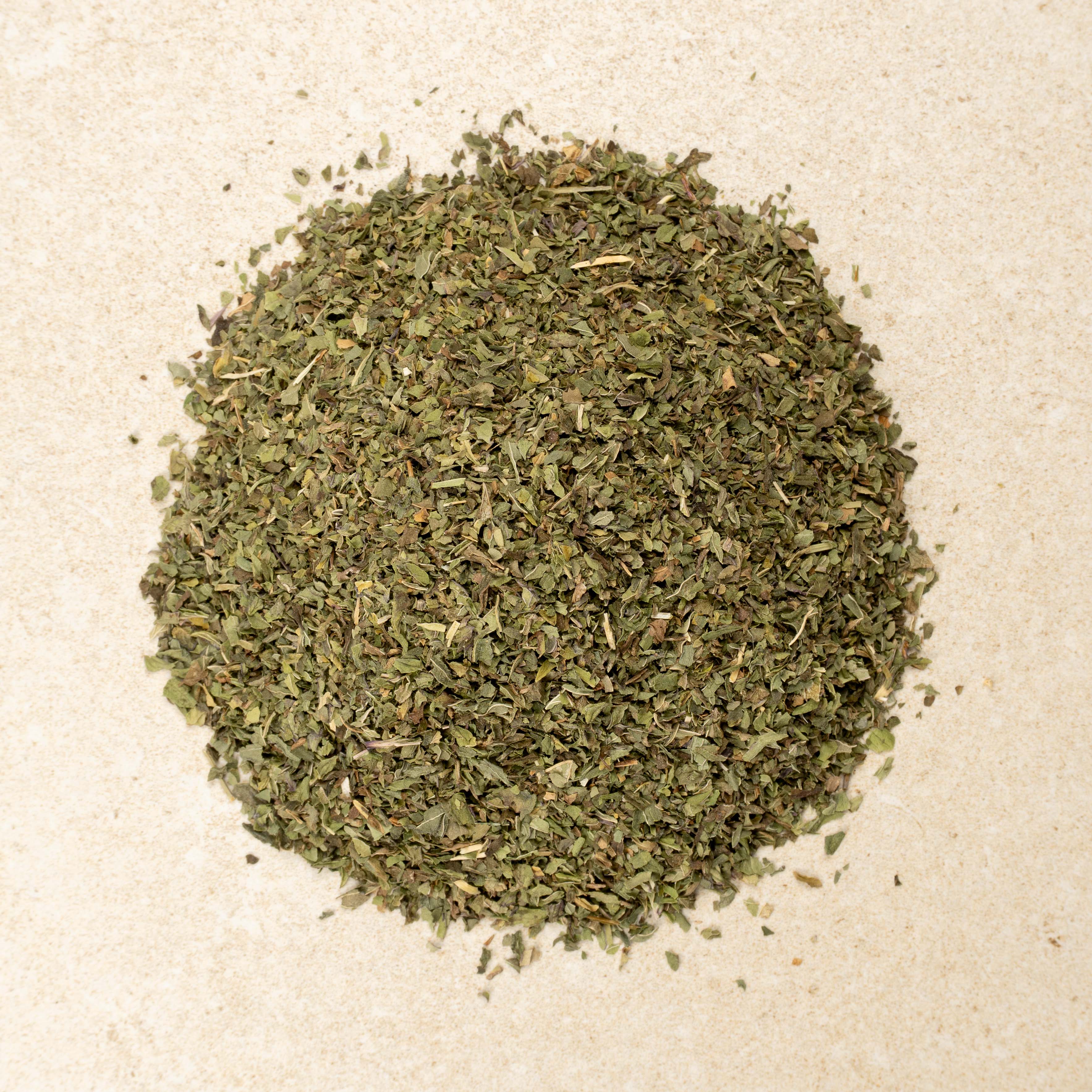
How much menthol ends up in your cup depends on the leaf, the water temperature and how long you brew. Whole leaf held under a lid keeps more of the volatile oils than a bag left open, which is one reason a good peppermint tastes so much stronger than a dusty one.
The research is real, but it is about capsules
This is the part almost nobody explains properly.
There is genuinely decent trial evidence for enteric-coated peppermint oil capsules in irritable bowel syndrome. Several randomised, placebo-controlled trials have found meaningful reductions in abdominal pain, and reviews have taken the results seriously, though they also note that trial quality varies and the picture is not settled.
But look at what was actually tested. Enteric-coated capsules contain a concentrated dose of peppermint oil inside a coating designed to survive the stomach and release in the intestine. That delivery mechanism is the whole point of the design.
A mug of peppermint tea is not that. It contains a small fraction of the oil, it has no coating, and it arrives in the stomach. Taking trial results from a targeted capsule and applying them to a teabag is not a small leap, and you will see brands make it constantly.
So: peppermint oil for IBS has a real evidence base. Peppermint tea has a much thinner one. Those are different statements and it is worth keeping them apart. If you are dealing with IBS specifically, that is a conversation for a GP or pharmacist rather than a tea company.
What we are not allowed to say
In Great Britain, food and drink businesses can only make health claims that appear on the GB Nutrition and Health Claims Register. No claim for peppermint appears on it.
So we cannot tell you peppermint tea aids digestion, settles your stomach or relieves bloating, however often you have read it elsewhere. Not because it definitely does not, but because the evidence has not been assessed and authorised, and the rules apply to a blog post as much as to a packet.
What is actually true, and useful
Two things we can say plainly, because they are facts about the drink rather than claims about your body.
It contains no caffeine. Not reduced, not decaffeinated, none. That makes it genuinely useful late in the evening in a way that even a light green tea is not.
It is not a diuretic and it is not acidic. It is essentially flavoured hot water, which is why it sits so easily after a big meal when you do not want anything else.
And the honest reason most of us drink it: it tastes clean, it is warm, and after a long dinner it is the most refreshing thing you can put in a cup. That is enough.
Getting a good cup
Peppermint is one of the few infusions that genuinely rewards a lid. The menthol is volatile, so a lot of what makes it taste good escapes as steam. Cover your cup or pot while it brews and you will notice the difference immediately.
Use water just off the boil and give it a full five minutes. Unlike green tea, peppermint does not turn bitter with time, so a long brew costs you nothing.
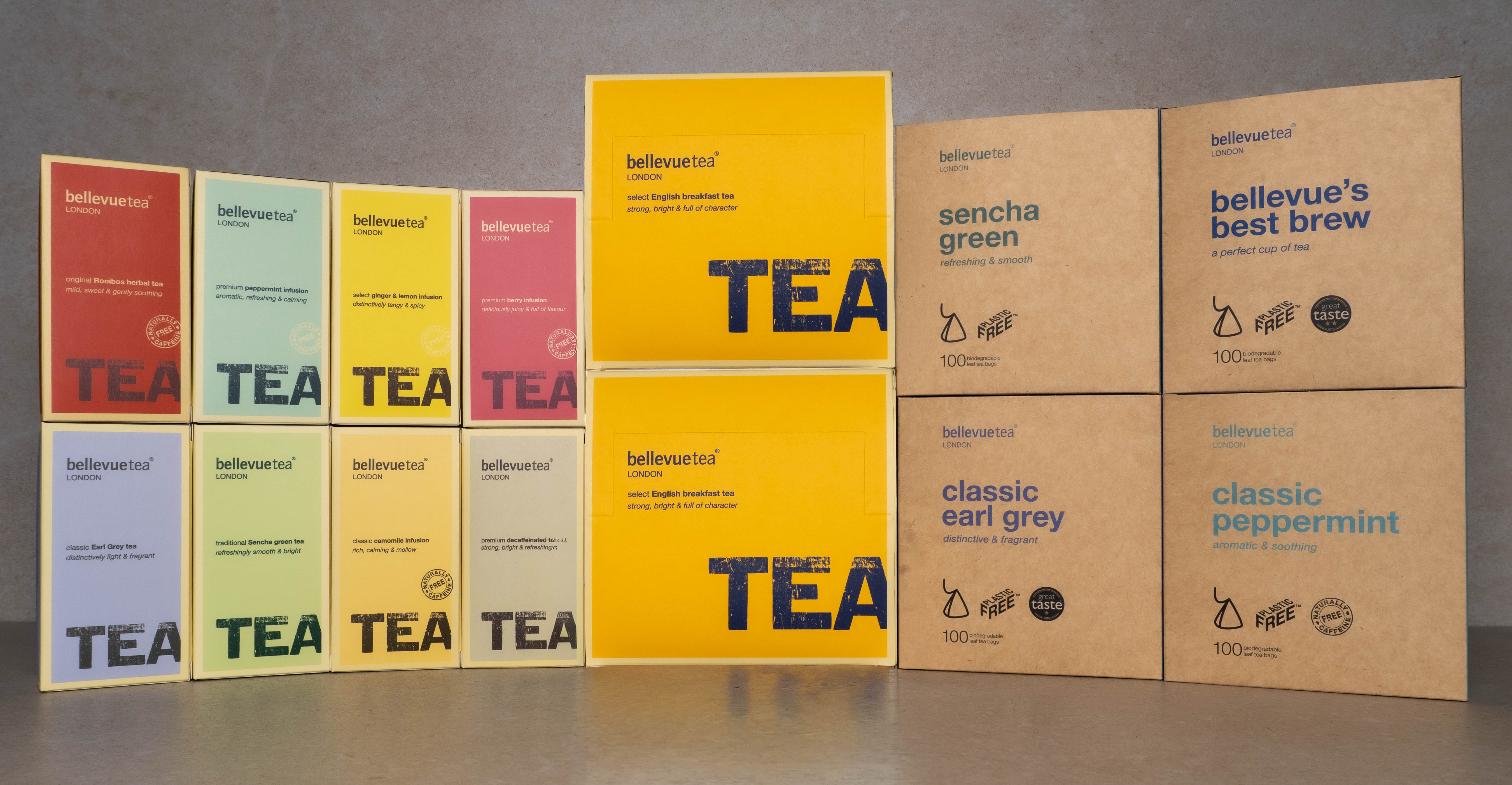
Ours comes as plastic free string and tag tea bags, as whole leaf Egyptian peppermint, and in boxes of 100 pyramid bags. The loose leaf is a noticeably bigger, cleaner cup if you have the patience for it.
Keep brewing, The Bellevue Team




Leave a comment
This site is protected by hCaptcha and the hCaptcha Privacy Policy and Terms of Service apply.