

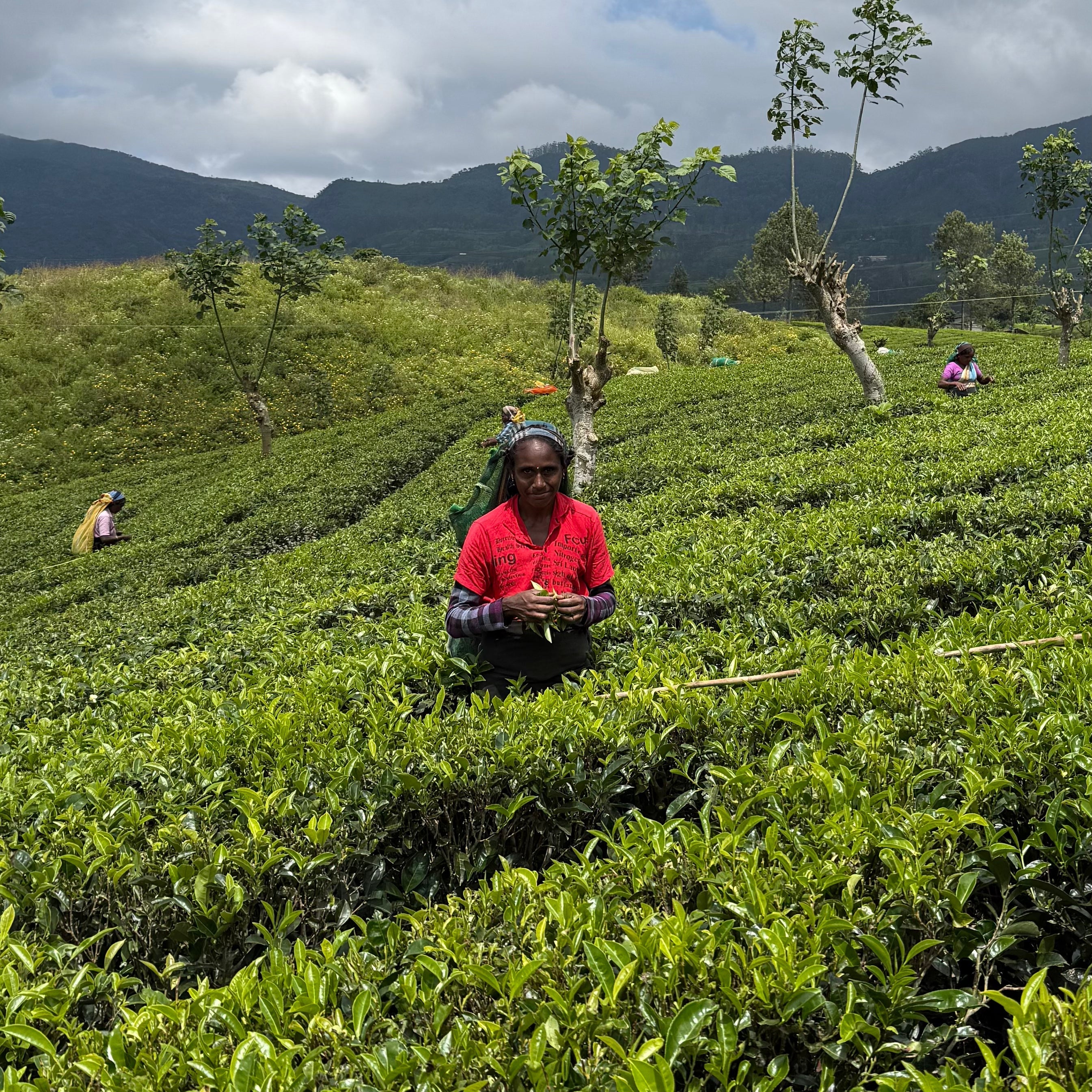
Ceylon Tea: What Makes Sri Lanka's Highland Teas So Good

Max in Sri Lanka 2025
You may know it better by its old name: Ceylon. For more than 150 years, the island's central highlands have produced teas that are prized for their brightness, their clarity, and what tea people call flavour character, a quality that varies depending on where on the island the leaf was grown.
The story starts in the 1860s, when a coffee blight devastated Sri Lanka's plantations. A Scottish planter named James Taylor planted the first commercial tea garden in 1867, and within a generation the island had become one of the most important tea-growing regions in the world. It has been at the centre of the tea trade ever since.

Growing regions and why they matter
Sri Lanka's teas are defined by altitude and geography. The island has several distinct growing regions, each producing a noticeably different character in the cup.
The high-grown estates above 4,000 feet — in regions like Nuwara Eliya and Dimbula — produce teas with a bright, delicate quality and a light golden liquor. These are the teas most associated with what people picture when they think of Ceylon: clean, crisp, and with a subtle floral edge.
Mid-grown estates produce fuller-bodied teas with a richer colour and more robust character. Uva, on the eastern slopes of the central highlands, is perhaps the most distinctive region. Its teas are known for a particular brightness and astringency that blenders have prized for generations.
Lower-grown teas tend to be stronger and darker, and these form the backbone of many everyday blends.

Sri Lanka in your cup
Sri Lankan leaf appears in more teas than most people realise, and it is often the ingredient that gives a blend its distinctive brightness.
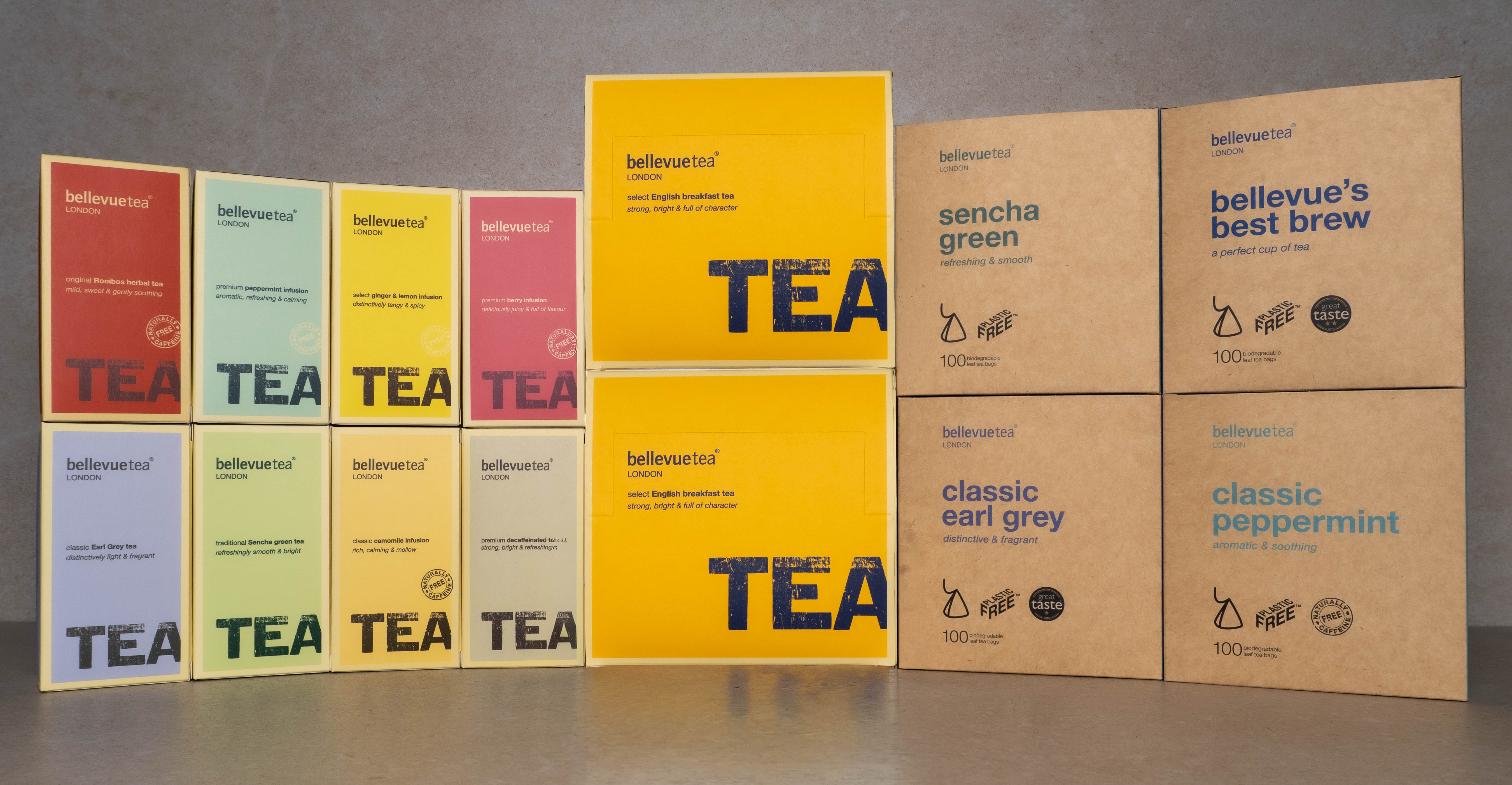
Our english breakfast draws on both Kenyan and Sri Lankan tea, with the Sri Lankan component bringing a clean, direct flavour that cuts through milk and holds up to a strong brew. It is part of what gives the blend its character rather than just its strength.
Our sencha green tea bags are sourced from highland estates in Sri Lanka — which might surprise people more used to seeing Japanese sencha. Sri Lanka's high-grown green teas have a freshness and clarity that works beautifully in the sencha style: smooth, bright, and without bitterness when brewed at the right temperature (around 75 to 80 degrees, for a minute or two).
And our classic earl grey loose leaf includes Sri Lankan tea as part of its base blend, contributing the structure and brightness that carries the bergamot character so well.

Until next time,
The Bellevue Team



Leave a comment
This site is protected by hCaptcha and the hCaptcha Privacy Policy and Terms of Service apply.