

Green Tea Benefits: What's Actually in the Leaf
Search "green tea benefits" and you'll find a hundred articles promising it will burn fat, sharpen your mind and add years to your life. Most are written by people selling something.
We're also people selling something. So rather than add to the pile, here's the honest version: what's actually in the leaf, what the research does and doesn't show, and what we're legally not allowed to tell you.
What's actually in a cup of green tea
Green tea is made from the same plant as black tea, Camellia sinensis. The difference is processing. Green tea leaf is heated soon after picking, which stops oxidation and keeps the leaf green. That also preserves compounds which largely disappear in black tea production.
A standard cup contains, very roughly:
- Catechins: a group of polyphenols, of which EGCG is the most abundant and most studied. Somewhere around 25 to 60mg of EGCG per cup, though this swings enormously with leaf quantity, water temperature and steeping time.
- L-theanine: an amino acid found almost nowhere else in the human diet. Shade-grown teas like matcha tend to contain more.
- Caffeine: roughly 20 to 45mg, about half a cup of coffee.
These numbers are ranges, not facts about your particular mug. Anyone quoting an exact figure is guessing.
What the research actually shows
Here's where it gets less exciting than the headlines suggest.
Large population studies have repeatedly found that people who drink two to four cups of green tea a day tend to have lower rates of cardiovascular disease and stroke. That association is real and it turns up consistently across different countries and populations.
But these are observational studies. They show that green tea drinkers and better outcomes travel together, not that one causes the other. People who drink green tea daily often differ in other ways too, and untangling that is genuinely hard. The controlled trials that would settle it are smaller, shorter and considerably less conclusive than the newspaper write-ups imply.
So the fair summary is: promising, consistent, and not proven.
What we're not allowed to say, and why that's worth knowing
In Great Britain, food and drink businesses can only make health claims that appear on the GB Nutrition and Health Claims Register. If a claim isn't on that list, we can't make it, whether on a packet, on a product page, or here on our blog.
There is no authorised health claim for green tea. None. The same goes for camomile and sleep, peppermint and digestion, and most of the other things you'll see confidently asserted by tea brands.
That tells you something useful. It isn't that the regulators are being awkward. It's that when the evidence was assessed formally, it wasn't judged strong enough. Worth remembering the next time a brand tells you their tea will detoxify you.
Drinking tea is not the same as taking supplements
This distinction matters more than most of the benefits chatter, and it rarely gets made.
In 2018 the European Food Safety Authority reviewed the safety of green tea catechins. It concluded that catechins from green tea infusions are generally safe, but that EGCG doses of 800mg a day or more, the sort of quantity found in concentrated supplements rather than a pot of tea, have been associated with early signs of liver injury.
A cup of brewed green tea contains a small fraction of that. The concern sits with high-dose extract capsules, not with drinking tea. If you're choosing between a green tea supplement and actually drinking green tea, that's a real point in favour of the kettle.
So why do we drink it?
Because it's good. Because a well-made sencha is clean and sweet and grassy in a way nothing else is. Because it has enough caffeine to be useful in the afternoon and not so much that it keeps you up. Because it takes three minutes and makes the day slightly better.
That's a perfectly good reason to drink something. It doesn't need to cure anything.
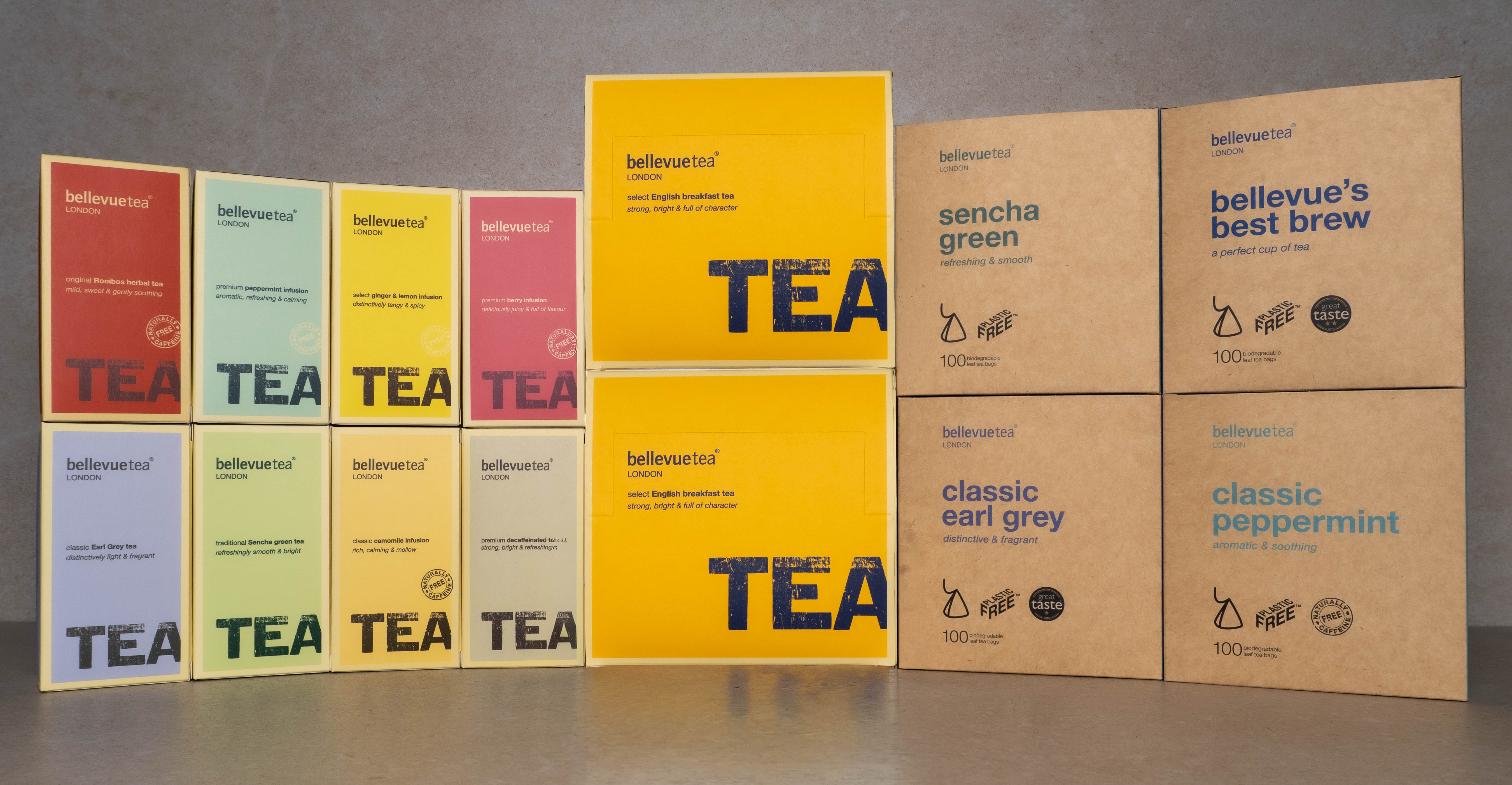
If you'd like to try some, our green teas are Sencha Green, single estate Nilgiri Green grown at 7,000ft, Jasmine Yin Hao, Classic Gunpowder and shade-grown Matcha. Most people find sencha the easiest place to start.
One last practical note, since it affects the cup far more than any of the above. Brew green tea with water just off the boil, for three minutes or less. Boiling water and long steeping are what make green tea bitter, and a bitter cup is the main reason people decide they don't like it.
Keep brewing, The Bellevue Team




Leave a comment
This site is protected by hCaptcha and the hCaptcha Privacy Policy and Terms of Service apply.